The Psychology of Tree Removal: Why Saying Goodbye to Your Tree Is Harder Than You Think
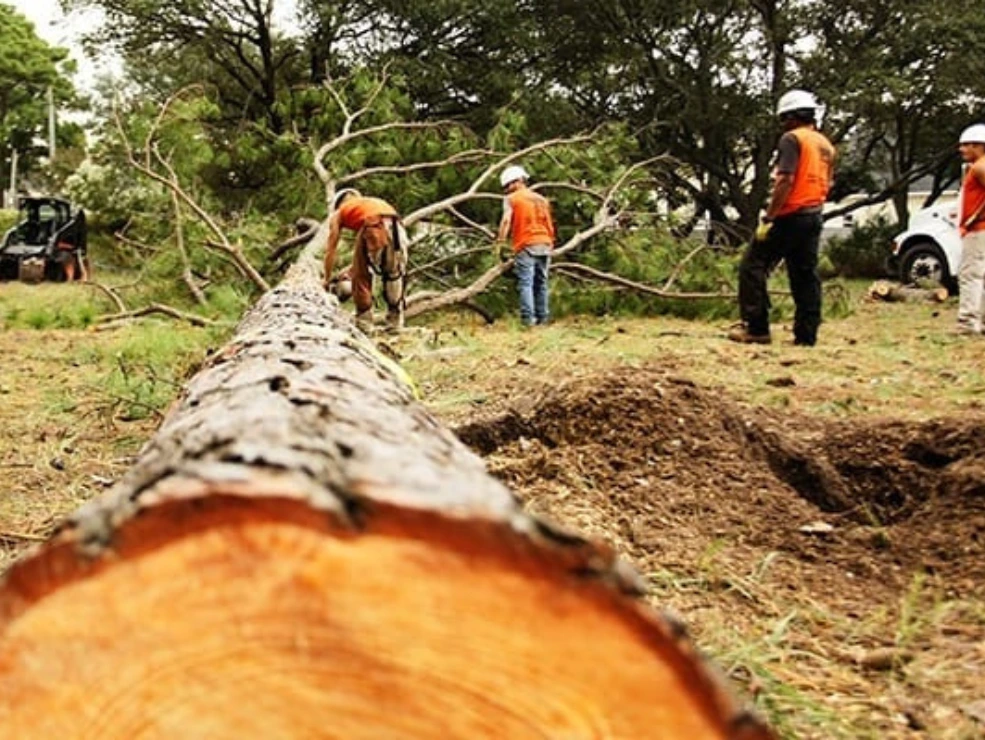
Deforestation is usually considered as an effective choice that has been made due to safety reasons, or property care or building concerns. But to most property owners, the act of removing a tree causes a negative reaction. Trees are not just landscape elements but living objects associated with memory and identity, and a feeling of permanence. When the removal is imminent, human beings mostly feel hesitations, guilt, or grief without clearly knowing the reason behind this. The understanding of the psychology that motivates the removal of trees allows the owners of the properties to work through these feelings and make informed and responsible decisions. Trees are often used as the symbol of permanence in a world that is in a state of constant flux. They are the observers of life events, the time has passed, and the feelings have been secured in natural surroundings. There is a personal loss even when a tree has to be removed, which makes sense and is a necessary issue. Emotional Attachment to Trees Trees are old and stable constants, which causes people to develop emotional attachment to them. Purchasing of a home, upbringing of children or any other major events in the family may have taken place when a tree was present. The tree is linked to individual recollections over time. This attachment is the reason why cutting trees may seem like cutting a part of the past. The emotional appeal is instinctive and it has an appeal to human nature, of being able to relate to the elements of life, in familiar surroundings. Trees as Symbols of Safety and Stability Trees are usually a symbol of shelter and solidity. People unconsciously bank on their size, rootedness and longevity and the feeling of security they provide. The healthy tree implies stability and equilibrium. In the case of trees when they are dangerous or unhealthy, the clash between emotional comfort and the reality on the ground is challenging. Removal is only acceptable by redefining the meaning of safety without the presence of the tree as used to be the case. Guilt and Responsibility in Tree Removal Decisions The owners of the properties often feel guilty about the thought of cutting down trees. This guilt can be due to environmental reasons, fear of killing wild animals, or the perception that the process of removal is destructive in its nature. Responsible removal is a concept that can help to reframe the choice by comprehending how responsible removal can prevent accidents and conserve the trees around. The health and safety of the larger landscape can be improved by getting rid of one unhealthy tree. Why Tree Removal Feels Like a Loss Cutting down trees frequently evokes a sense of loss or grief. The reaction is caused by the fact that trees take up emotional space, although the owners might not be conscious of the fact. The vacancy created can be disorienting, altering the look and feel of a piece of property. Taking these feelings into consideration will make property owners operate in a forward, non-avoidant manner. Fear of Change and Visual Impact Exterior landscapes are characterised by trees. Eliminating one can significantly change shade patterns, privacy and general appearance. Emotional resistance is increased by the fear of the post-stabilization appearance of a property. Even when it is good, change can be threatening. Seeing options of replacement or new landscaping can facilitate anxieties and rebuild a feeling of control. Environmental Identity and Tree Ownership Several individuals consider tree care as their social duty to the environment. The trees are associated with sustainability, conservation and individual values regarding nature. In case it needs to be removed, it may seem a betrayal of such values. This internal conflict can be resolved by simply understanding that the priorities of professional tree care are based on the need to have a long- term balance of the environment. The Role of Childhood Memories Adult perceptions are usually based on childhood experiences with trees. Playing in the shadows, climbing trees or creating emotional links with trees brings about long-term emotional attachments. These early memories reoccur when the adult owners of property are confronted with the possibility of removing trees. Emotional weight tends to capture past experiences and no longer the present situation. How Professional Guidance Eases Emotional Stress The tree experts working professionally do not just offer technical answers. They assist the owners of the properties to know why they need to be removed, and what they can do in other cases. Avoiding ambiguity minimizes doubtfulness and conscience. Being aware that the best or the healthiest thing to do is to remove them is to make owners feel secure instead of torn. Replacing Trees and Restoring Emotional Balance Replacement planting is of significance psychologically. It is known that a new tree will be growing to help in moving the concentration towards loss to renewal. Replacement planting helps to provide continuity and to facilitate emotional closure. It assures the property owners that they are not merely taking away something precious. When Delaying Removal Increases Emotional and Physical Risk The postponement of the removal of emotional attachment may heighten the risk of safety. Unsafe trees can collapse unexpectedly, resulting in devastation or injuries to property.
Urban Wildlife and Your Trees: How NYC Tree Care Affects Birds, Squirrels, and Other Tree-Dwelling Animals
The trees in the City of New York accomplish much beyond adorning the communities and offering shades. They are also crucial habitats to urban wildlife such as birds and squirrels and raccoons and innumerable insects. The urban forest is high density, and trees tend to be the only space left for many species. The condition of the trees maintained by their owners influences the survival of these animals directly. Knowledge of the connection between trees and the city wildlife would assist the NYC property owners to make a responsible choice to conserve the healthy landscape as well as promote the flourishing ecosystems. Why Trees Are Essential for Urban Wildlife The trees offer food, shelter, and nesting areas to several animals inhabiting NYC. Birds are also dependent on branches to nest and get protection whereas squirrels are dependent on trunks, canopies to move and save food. The insects pollinate plants and act as food to the larger animals. The urban wildlife also faces a challenge in survival without healthy trees. These natural habitats are kept stable through proper maintenance of the trees and this makes the maintenance of biodiversity even in the most developed regions possible. How Poor Tree Health Disrupts Animal Habitats Stress and diseases on trees cause disruption of wildlife habitats. The falling branches, leaf fall and wobbly trunks minimize nesting space and food. Weakened trees may be completely deserted by animals. Unsafe trees in extreme instances have to be taken away leaving habitats completely destroyed. Plants and trees can be taken care of before they die away and the sudden loss of wildlife habitats can be reduced. The Impact of Pruning on Birds and Small Animals To maintain the health and safety of trees, they have to be pruned; however, the time and methods are important. Unprofessional pruning in the nesting seasons may destroy the nest of birds or may change the position of the young animals. Professional pruning takes into account the activity of the wildlife and the seasons. Planting of trees in responsible schedules enables safe trees and also the protection of the animals that rely on the trees. Tree Removal and Wildlife Displacement Deforestation directly impacts wildlife in urban areas. Deforestation causes immediate loss of food and shelter by the animals in the forest. In other situations, it is necessary to remove it because of security reasons. Professional tree service evaluates and advises on humane ways of dealing with wildlife like relocation or habitat restoration by replacing the lost natural habitat with trees. How Tree Species Selection Affects Urban Animals Trees do not have equal ecological values. Native species would be more favorable to support wildlife, providing them with familiar food and nesting places. The urban ecosystems are fortified with the planting of suitable species. Considering the choice of trees promotes the existence of birds, pollinators, and mammals even in very small urban areas. Squirrels and Tree Health in NYC In NYC, one of the most evident tree animals is the squirrel. They also rely on the trees that are healthy in providing food, shelter and movement between spaces. Stress or loss of trees pushes the squirrels into unsecure places such as rooftops or power lines. Healthy trees adhere to these conflicts, and the trees lead a natural life. Bird Populations and Proper Tree Maintenance Trees provide nesting, roosting and feeding to birds. The healthy canopies also shield the predators and extreme weather. Correct pruning enhances the structure of the trees, not destroying vital nesting hemispheres. There are a variety of birds that are sustained by well kept trees across the city. The Role of Deadwood and Habitat Balance Although dead or decayed branches have potential to be dangerous to the safety, they also provide insects and birds with a home. Full elimination of deadwood is a way of lessening biodiversity. Professional tree care is a compromise between safety and the ecological requirements. Beneficial habitat is retained and dangerous conditions are eradicated by selective pruning. Construction, Development, and Wildlife Stress When used around trees, construction interferes with the wildlife by destroying roots, compacting soil and removing shelter. Animals are also put under additional strain by noise and vibration. The negative effects are minimized through tree protection plans and close site management. The pre-construction and post-construction coordination of trees is useful in ensuring that wildlife is restored at a faster rate. Why Professional Tree Care Matters for Wildlife Professional tree services are aware of the impact of tree management decisions on the wildlife in the cities. Their skills enable pruning, removal, and maintenance to be conducted responsibly. Professionals find nesting behavior, prescribe wildlife-compromising alternatives, and focus on preserving it wherever feasible. The strategy promotes safety as well as environmental responsibility. Creating Wildlife-Friendly Properties in NYC Wildlife can be assisted by property owners by ensuring that their trees are healthy, native species are planted, and work is done responsibly. Such basic measures as eliminating needless displacement and investing in preventive care are part of a healthier urban ecosystem that will benefit both the people and the animals. Conclusion: Protect Trees, Protect Urban Wildlife It is about trees and their important role in sustaining the urban wildlife of NYC. Growing trees responsibly ensures the habitat, minimizes eviction, and enhances the natural balance of the city. Through knowledge of the impacts of maintenance decisions on birds, squirrels, and other creatures, the property owners may help make the environment healthier and more sustainable. The Tree Army has professional services regarding tree trimming, tree removal, or a health check of the trees. Their professional crew offers responsible, wildlife-friendly tree care services that enhance your property, and help the NYC urban ecosystem to support the generations to come.