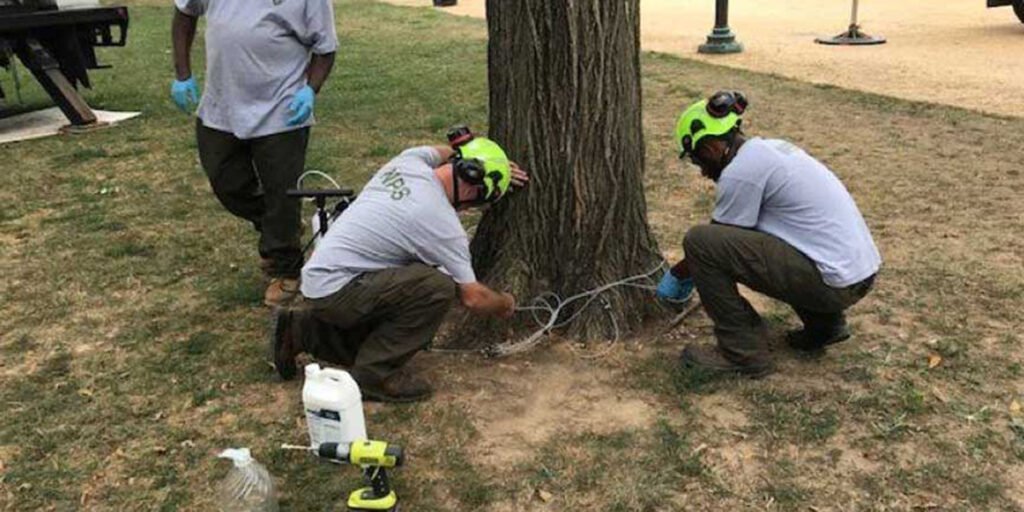
Trees can appear healthy from the outside while developing serious internal problems that threaten your property and safety. In urban environments like Bronx and New York City, trees face unique challenges including limited root space, pollution, storms, and nearby structures. Understanding hidden tree hazards helps homeowners take action before small issues become dangerous emergencies.
A Healthy-Looking Tree May Still Have Problems
One of the biggest misconceptions about trees is that green leaves always mean a tree is healthy. Some issues develop internally and may not become visible until the tree begins losing structural stability.
Hidden problems may include:
- Internal trunk decay
- Weak branch connections
- Root damage
- Hidden cracks
- Disease progression
- Pest infestations
Regular professional inspections can identify these problems before they create safety risks.
Root Damage Is One of the Most Overlooked Issues
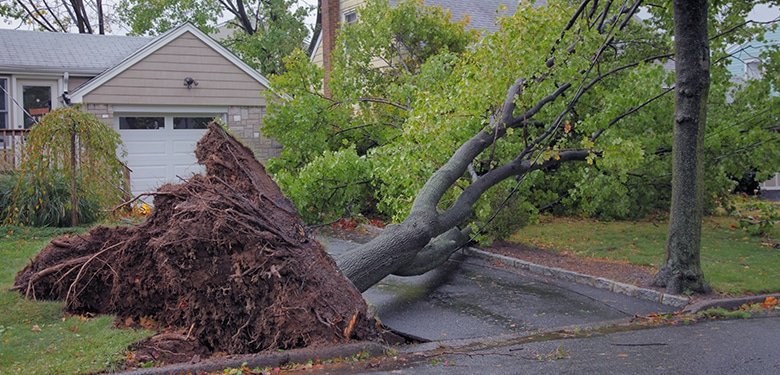
Tree roots provide stability and support, but they are often affected by urban conditions. Construction, soil compaction, sidewalk repairs, and poor drainage can weaken a tree’s foundation.
Damaged roots may cause:
- Tree leaning
- Slow growth
- Yellowing leaves
- Increased storm failure risk
- Reduced stability
Because root problems are underground, professional evaluation is often necessary to detect them.
Cracks and Splits Can Signal Serious Risk
Large cracks in trunks or major branches should never be ignored. These openings can allow moisture, insects, and diseases to enter the tree.
Common warning signs include:
- Vertical trunk cracks
- Splitting branches
- Hollow areas
- Loose bark
- Large cavities
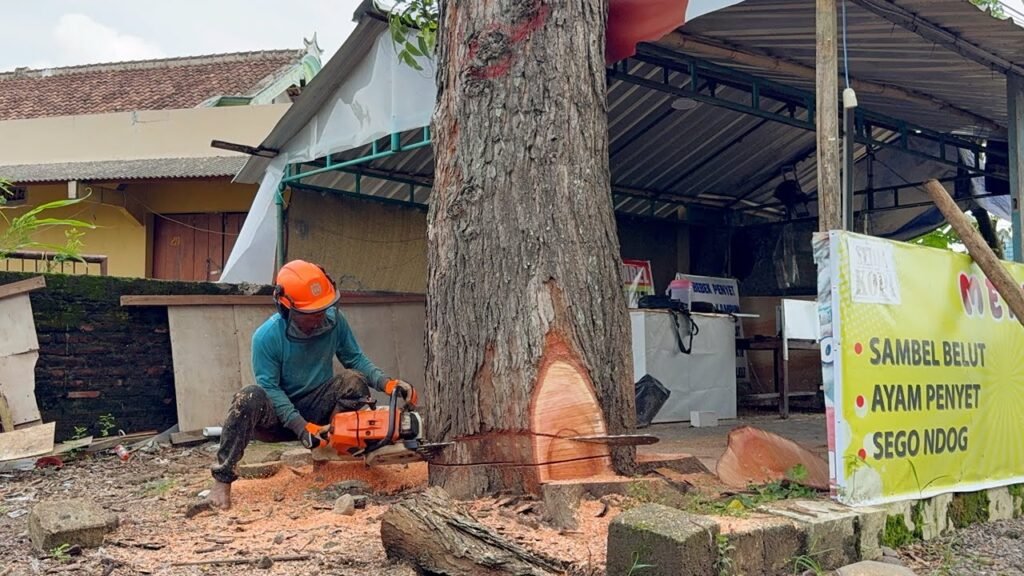
A professional arborist can determine whether the tree can be preserved or requires removal.
Storm Damage May Appear Months Later
Storms do not always cause immediate tree failure. Sometimes damage develops slowly after strong winds or heavy rain.
A tree may suffer from:
- Broken internal fibers
- Root movement
- Weak branch attachments
- Structural imbalance
Post-storm inspections help identify risks before another weather event causes major damage.
Trees Growing Near Buildings Need Extra Attention
Urban properties often have limited space, causing trees to grow close to:
- Homes
- Apartment buildings
- Sidewalks
- Vehicles
- Utility lines
Branches and roots can create long-term problems if growth is not properly managed.
Professional pruning and maintenance help maintain safe clearance while protecting tree health.
Dead Branches Are More Dangerous Than They Look
Dead branches can remain attached to trees for months before falling. These branches become especially dangerous during high winds or storms.
Removing deadwood through professional pruning reduces the chance of:
- Property damage
- Personal injury
- Emergency tree situations
Why Professional Tree Assessments Matter
Tree problems are not always obvious to homeowners. Professional arborists use their knowledge of tree biology and structural evaluation techniques to identify hazards and recommend the safest solution.
The Tree Army provides tree inspections, pruning, removal, emergency services, and arborist solutions designed to improve tree health and protect properties throughout NYC.
Benefits of Regular Tree Inspections
Routine tree evaluations can help:
- Detect problems early
- Prevent emergency removals
- Protect homes and vehicles
- Improve tree lifespan
- Reduce storm risks
- Maintain landscape beauty
Conclusion
Hidden tree hazards can become serious problems when ignored. Regular inspections, professional pruning, and preventive tree care help homeowners maintain safer properties while preserving healthy trees. By identifying risks early, you can protect your landscape, avoid unexpected emergencies, and enjoy the benefits of strong and beautiful trees for years to come.