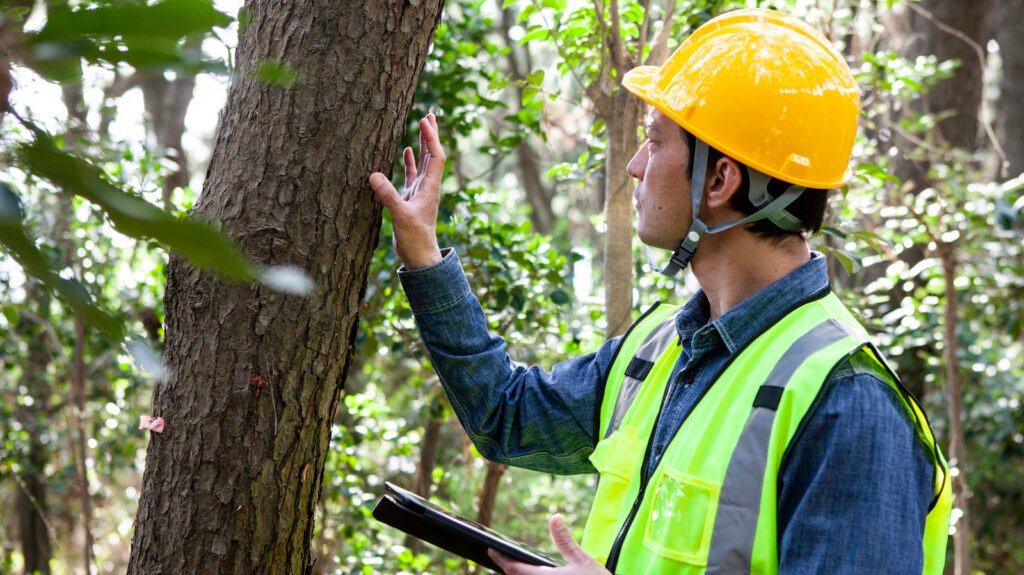
Trees are living structures that constantly respond to changes in their environment. Unlike a broken fence or damaged building, tree problems often develop slowly and remain hidden until serious damage occurs. Tree health monitoring provides property owners with a proactive approach to identifying risks, protecting valuable trees, and maintaining safer landscapes.
What Is Tree Health Monitoring?
Tree health monitoring is the process of regularly observing and evaluating the condition of trees over time. Instead of waiting for visible damage, professionals track changes in tree structure, growth patterns, and overall health.
Monitoring helps identify:
- Early disease symptoms
- Pest activity
- Structural weaknesses
- Root problems
- Environmental stress
- Declining tree health
This approach allows problems to be addressed before they become emergencies.
Detect Problems Before They Become Expensive
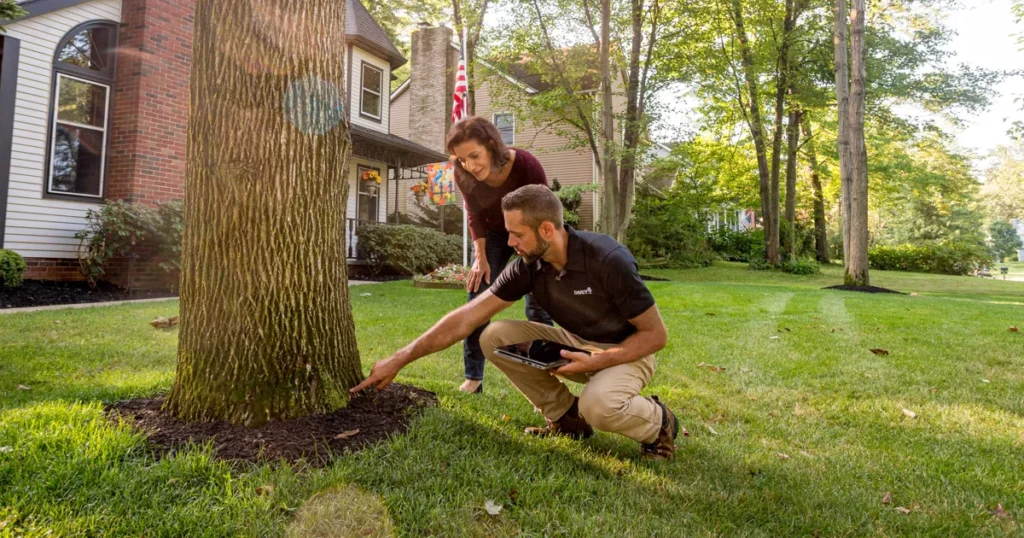
Many tree issues start small but become costly when ignored. A minor disease infection, weak branch, or root problem can eventually lead to major damage or complete tree loss.
Regular monitoring helps property owners take preventive action through:
- Targeted pruning
- Disease treatment
- Soil improvement
- Structural support
- Scheduled maintenance
Early care is often more affordable than emergency tree removal.
Understand How Trees Respond to Their Environment
Urban trees face constant pressure from changing conditions, including:
- Extreme temperatures
- Limited soil space
- Construction activity
- Pollution
- Storm exposure
- Water shortages
Tree health monitoring helps professionals understand how these factors affect individual trees and create a customized care plan.
Improve Tree Longevity
A mature tree can provide decades of shade, beauty, and environmental benefits. However, poor maintenance can shorten its lifespan.
Regular evaluations help maintain:
- Strong root systems
- Healthy branches
- Balanced canopy growth
- Better resistance to weather stress
Consistent care allows trees to remain valuable landscape features for generations.
Reduce Safety Risks Around Your Property
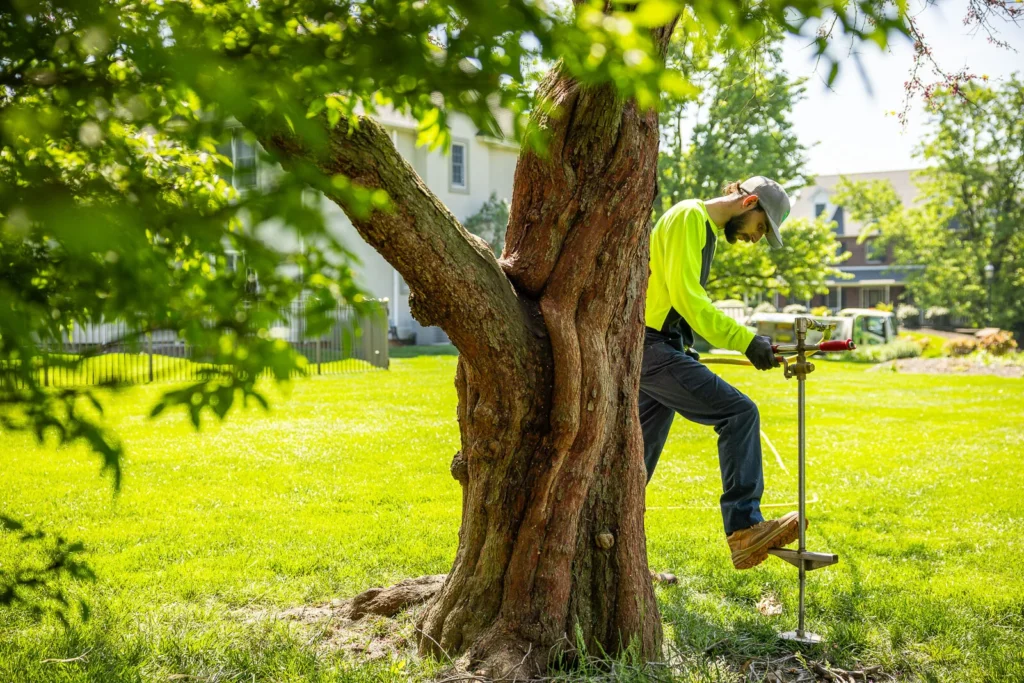
A tree may look stable while developing internal weaknesses. Monitoring helps detect warning signs such as:
- Cracks in branches or trunks
- Deadwood accumulation
- Leaning growth
- Decay areas
- Weak branch unions
Identifying these risks early helps protect homes, vehicles, pedestrians, and outdoor spaces.
Support Better Tree Management Decisions
Not every tree problem requires removal. With proper monitoring, professionals can determine whether a tree needs:
- Pruning
- Cabling or bracing
- Disease treatment
- Soil improvement
- Removal as a last option
This approach helps preserve healthy trees whenever possible.
Why Professional Tree Monitoring Matters
Tree health evaluation requires experience and knowledge of tree biology. Professional arborists can identify subtle changes that homeowners may overlook and provide accurate recommendations based on the tree’s condition.
Expert monitoring ensures maintenance decisions are based on safety, science, and long-term tree health.
Benefits of Regular Tree Health Monitoring
- Early problem detection
- Reduced emergency situations
- Improved tree lifespan
- Better property safety
- Lower maintenance costs
- Healthier landscapes
- Protection of valuable trees
Conclusion
Tree health monitoring is an important part of modern preventive tree care. By tracking tree conditions before problems become severe, property owners can protect their landscapes, reduce safety risks, and extend the life of their trees. Regular professional evaluations provide the knowledge needed to maintain strong, healthy, and beautiful trees throughout every season.