
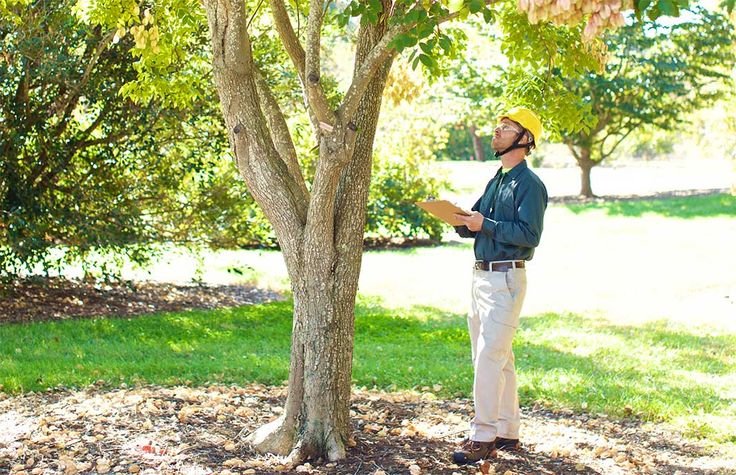
Trees provide shade, beauty, and environmental benefits, but they can also become a potential hazard when their health and structure are neglected. Tree risk management is a proactive approach that helps property owners identify possible dangers, reduce safety concerns, and maintain healthier landscapes before problems turn into emergencies.
What Is Tree Risk Management?
Tree risk management involves evaluating trees for potential hazards and creating a plan to reduce those risks. Instead of waiting for a tree to fail during a storm or extreme weather, professionals inspect trees regularly and recommend preventive solutions.
A complete risk evaluation considers:
- Tree health
- Structural stability
- Branch condition
- Root strength
- Surrounding environment
- Potential impact areas
This process helps determine the safest way to manage each tree.
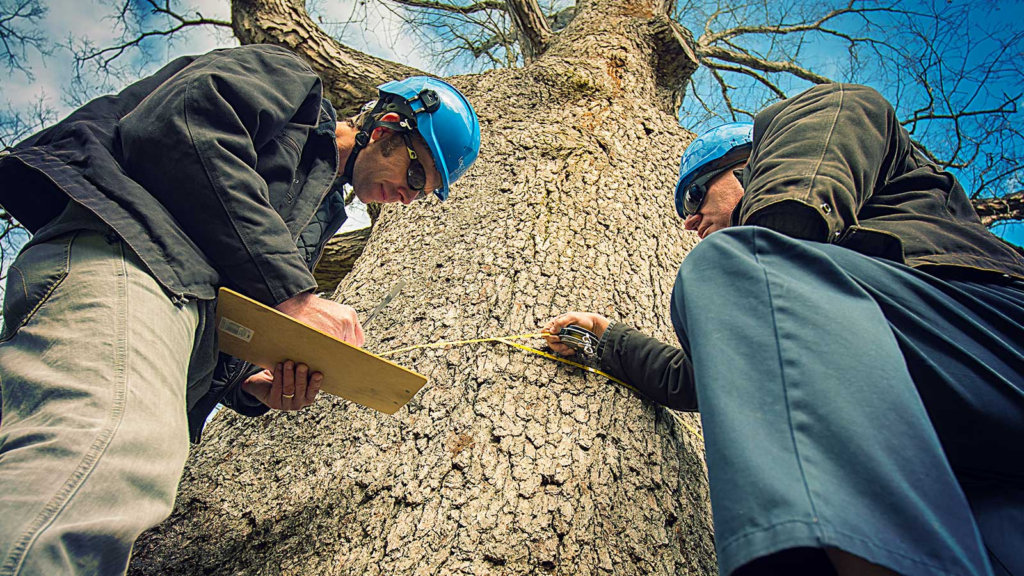
Identify Hidden Tree Problems Early
Many dangerous tree conditions develop gradually and may not be obvious to property owners. A tree can appear healthy while experiencing internal issues that weaken its structure.
Common hidden risks include:
- Internal decay
- Root deterioration
- Weak branch connections
- Trunk cracks
- Disease progression
- Pest damage
Early identification allows professionals to address issues before they become serious.
Reduce Storm-Related Tree Failures
Storms are one of the most common causes of tree emergencies. Strong winds, heavy rain, and lightning can expose weaknesses that have been developing over time.
Tree risk management helps prepare trees through:
- Preventive pruning
- Structural trimming
- Removing hazardous limbs
- Supporting weak branches
- Monitoring declining trees
These steps reduce the chance of sudden failures during severe weather.
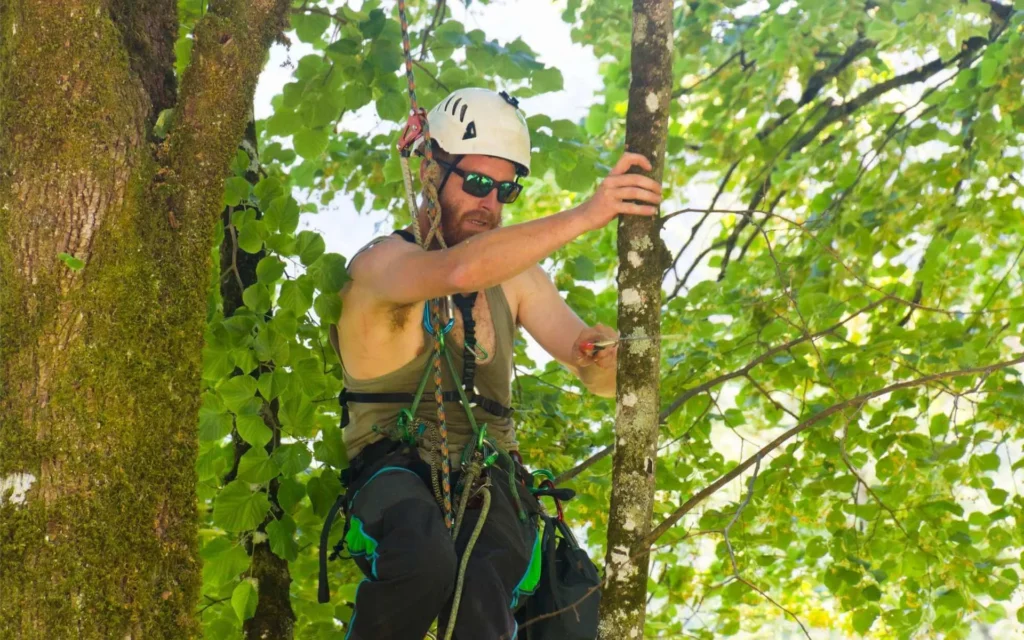
Protect Homes and Surrounding Property
A failing tree can cause significant damage to nearby structures. Trees located near homes, businesses, sidewalks, and parking areas require careful monitoring.
Risk management helps protect:
- Roofs
- Vehicles
- Fences
- Outdoor living areas
- Utility lines
- Public spaces
Preventing damage is usually safer and more affordable than handling emergency repairs.
Preserve Healthy Trees Whenever Possible
Tree risk management is not only about removal. Many trees with minor structural issues can be preserved through proper care.
Depending on the condition, professionals may recommend:
- Pruning
- Cabling and bracing
- Soil improvement
- Disease treatment
- Regular monitoring
The goal is to maintain safe and healthy trees whenever possible.
Improve Long-Term Landscape Planning
A proactive tree management plan helps property owners understand the condition of their landscape and plan future maintenance.
This allows better decisions regarding:
- New tree planting
- Tree preservation
- Removal timing
- Landscape improvements
- Maintenance budgets
Planning ahead reduces unexpected problems.
Why Professional Tree Risk Assessment Matters
Tree risk evaluation requires knowledge of tree biology, structural behavior, and safety standards. Professional arborists can identify warning signs that are often missed by untrained observers.
Their expertise helps determine whether a tree requires maintenance, monitoring, or removal.
Benefits of Tree Risk Management
- Prevents unexpected tree failures
- Improves property safety
- Protects valuable trees
- Reduces emergency costs
- Supports healthier growth
- Improves landscape planning
- Increases peace of mind
Conclusion
Tree risk management is an essential part of responsible property care. By identifying hazards early, maintaining tree health, and creating a preventive maintenance plan, homeowners and businesses can reduce risks while preserving the beauty and value of their landscapes. Regular professional evaluations ensure trees remain safe, strong, and healthy for years to come.