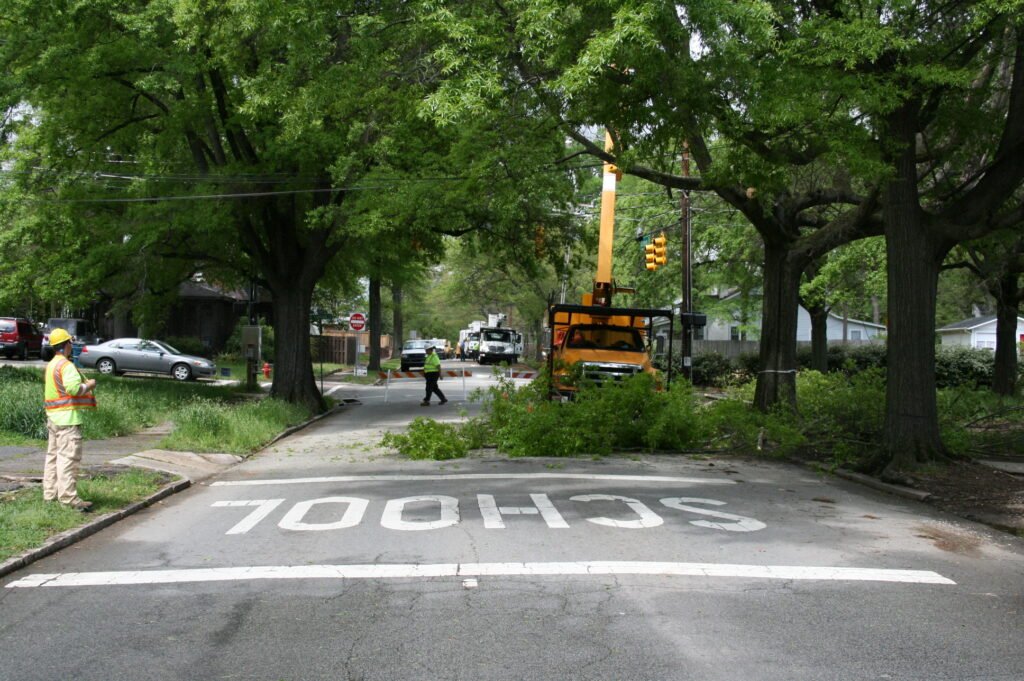
Trees are an essential part of New York City landscapes, providing shade, beauty, and environmental benefits. However, urban trees face unique challenges due to limited growing space, heavy foot traffic, pollution, and unpredictable weather conditions. Without proper maintenance, even healthy-looking trees can become vulnerable during storms. Regular urban tree care helps strengthen trees, reduce hazards, and protect properties from costly damage.
Why NYC Trees Face Greater Challenges
Trees growing in urban environments experience conditions that are very different from trees in open landscapes. Limited soil space, compacted ground, nearby buildings, and underground infrastructure can affect root development and overall stability.
Common urban tree challenges include:
- Restricted root growth
- Soil compaction
- Lack of nutrients
- Pollution exposure
- Damage from construction activities
- Increased wind exposure near buildings
Professional maintenance helps trees adapt to these difficult conditions.
Weak Branches Increase Storm Risks
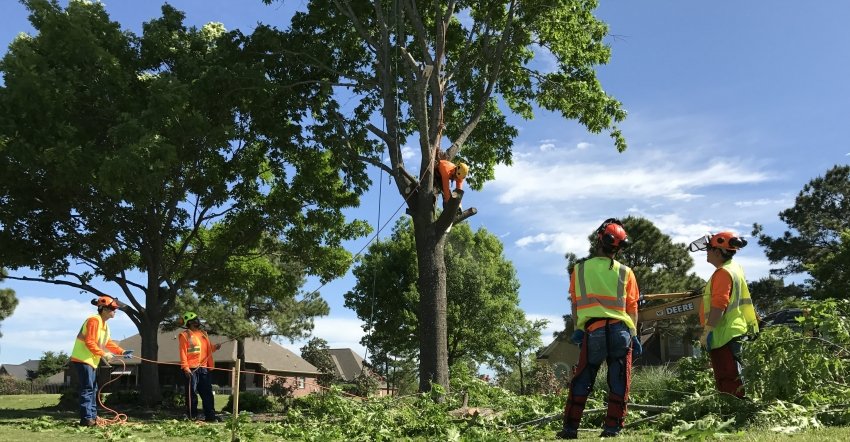
During storms, weak or damaged branches are often the first parts of a tree to fail. Heavy limbs can break under pressure from strong winds, rain, or snow.
Regular pruning helps remove:
- Dead branches
- Diseased limbs
- Overextended growth
- Weak branch connections
This improves tree structure and reduces the chance of falling branches.
Proper Pruning Creates Stronger Trees
Tree pruning is not only about appearance—it plays an important role in long-term stability. Strategic pruning improves airflow, balances the canopy, and reduces unnecessary weight on branches.
A properly maintained tree is better able to handle:
- Strong winds
- Heavy rainfall
- Seasonal weather changes
- Urban stress
Protect Homes and Public Areas
Trees located near buildings and busy areas require special attention. A damaged branch or unstable tree can threaten:
- Residential homes
- Commercial buildings
- Vehicles
- Sidewalks
- Outdoor spaces
Preventive tree care helps reduce risks before they become emergencies.
Root Health Determines Tree Stability
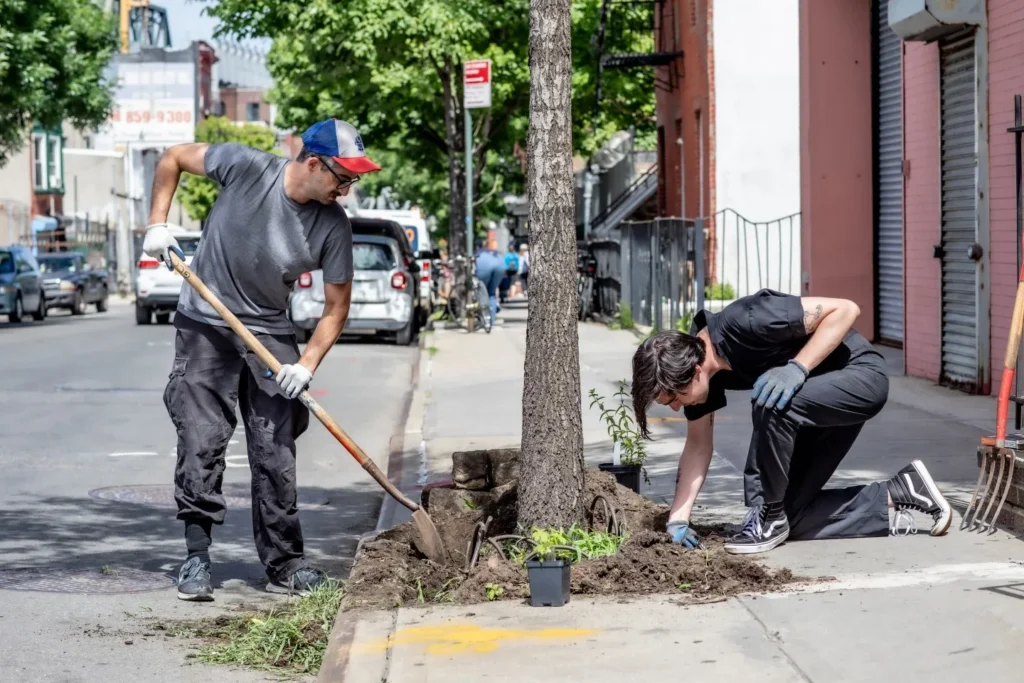
A tree’s strength begins underground. Damaged or weakened roots can compromise stability and increase the risk of tree failure during storms.
Maintaining healthy roots involves:
- Avoiding soil compaction
- Protecting root zones
- Improving soil conditions
- Providing proper watering
Healthy roots create a stronger foundation for the entire tree.
Emergency Tree Problems Can Be Prevented
Many emergency tree situations develop because warning signs were ignored. Regular inspections allow professionals to identify potential hazards before severe weather exposes them.
Early attention can prevent:
- Sudden tree failure
- Emergency removal costs
- Property damage
- Safety concerns
The Importance of Professional Urban Tree Care
Managing trees in a city environment requires experience and knowledge of local conditions. Professional tree specialists understand how to maintain trees while protecting surrounding structures and public spaces.
Services such as tree pruning, trimming, removal, stump grinding, and emergency tree care help maintain safer and healthier landscapes.
Long-Term Benefits of Preventive Tree Maintenance
Regular tree care provides many advantages:
- Reduced storm damage risks
- Healthier tree growth
- Improved property safety
- Better curb appeal
- Longer tree lifespan
- Lower emergency costs
A proactive approach keeps trees strong and reliable throughout the year.
Conclusion
Urban trees require consistent care to remain safe, healthy, and resilient. Through regular inspections, proper pruning, and preventive maintenance, property owners can reduce storm risks and protect their investment. Professional tree care ensures that NYC landscapes remain beautiful while providing safety and environmental benefits for years to come.