The trees in the City of New York accomplish much beyond adorning the communities and offering shades. They are also crucial habitats to urban wildlife such as birds and squirrels and raccoons and innumerable insects. The urban forest is high density, and trees tend to be the only space left for many species. The condition of the trees maintained by their owners influences the survival of these animals directly. Knowledge of the connection between trees and the city wildlife would assist the NYC property owners to make a responsible choice to conserve the healthy landscape as well as promote the flourishing ecosystems.
Why Trees Are Essential for Urban Wildlife
The trees offer food, shelter, and nesting areas to several animals inhabiting NYC. Birds are also dependent on branches to nest and get protection whereas squirrels are dependent on trunks, canopies to move and save food. The insects pollinate plants and act as food to the larger animals.
The urban wildlife also faces a challenge in survival without healthy trees. These natural habitats are kept stable through proper maintenance of the trees and this makes the maintenance of biodiversity even in the most developed regions possible.
How Poor Tree Health Disrupts Animal Habitats
Stress and diseases on trees cause disruption of wildlife habitats. The falling branches, leaf fall and wobbly trunks minimize nesting space and food. Weakened trees may be completely deserted by animals.
Unsafe trees in extreme instances have to be taken away leaving habitats completely destroyed. Plants and trees can be taken care of before they die away and the sudden loss of wildlife habitats can be reduced.
The Impact of Pruning on Birds and Small Animals
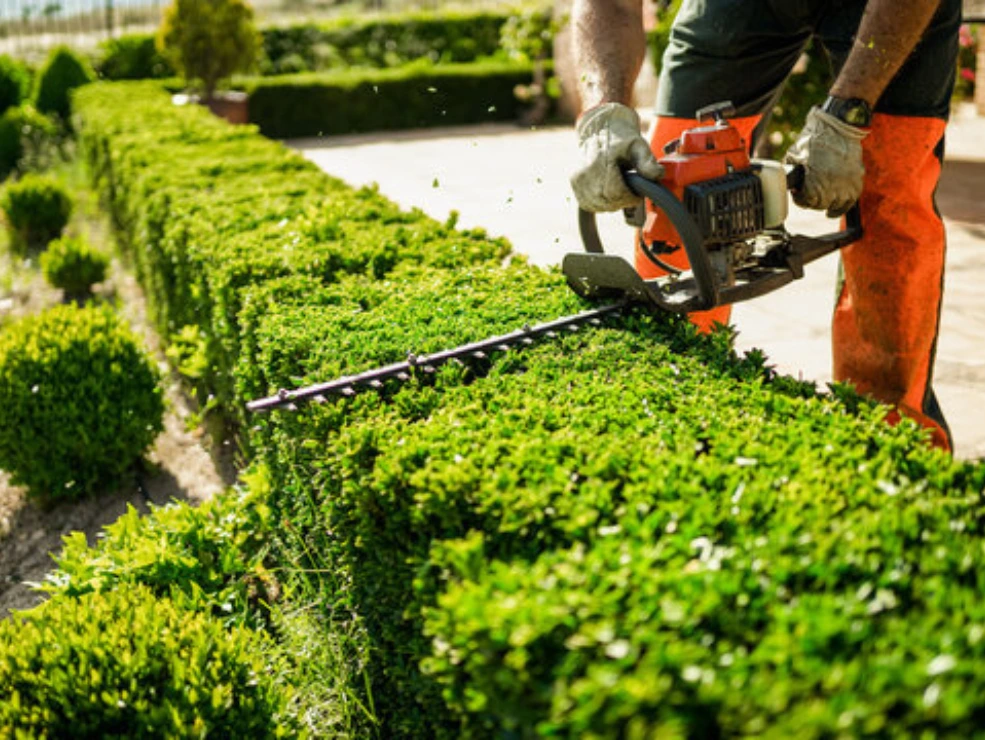
To maintain the health and safety of trees, they have to be pruned; however, the time and methods are important. Unprofessional pruning in the nesting seasons may destroy the nest of birds or may change the position of the young animals.
Professional pruning takes into account the activity of the wildlife and the seasons. Planting of trees in responsible schedules enables safe trees and also the protection of the animals that rely on the trees.
Tree Removal and Wildlife Displacement
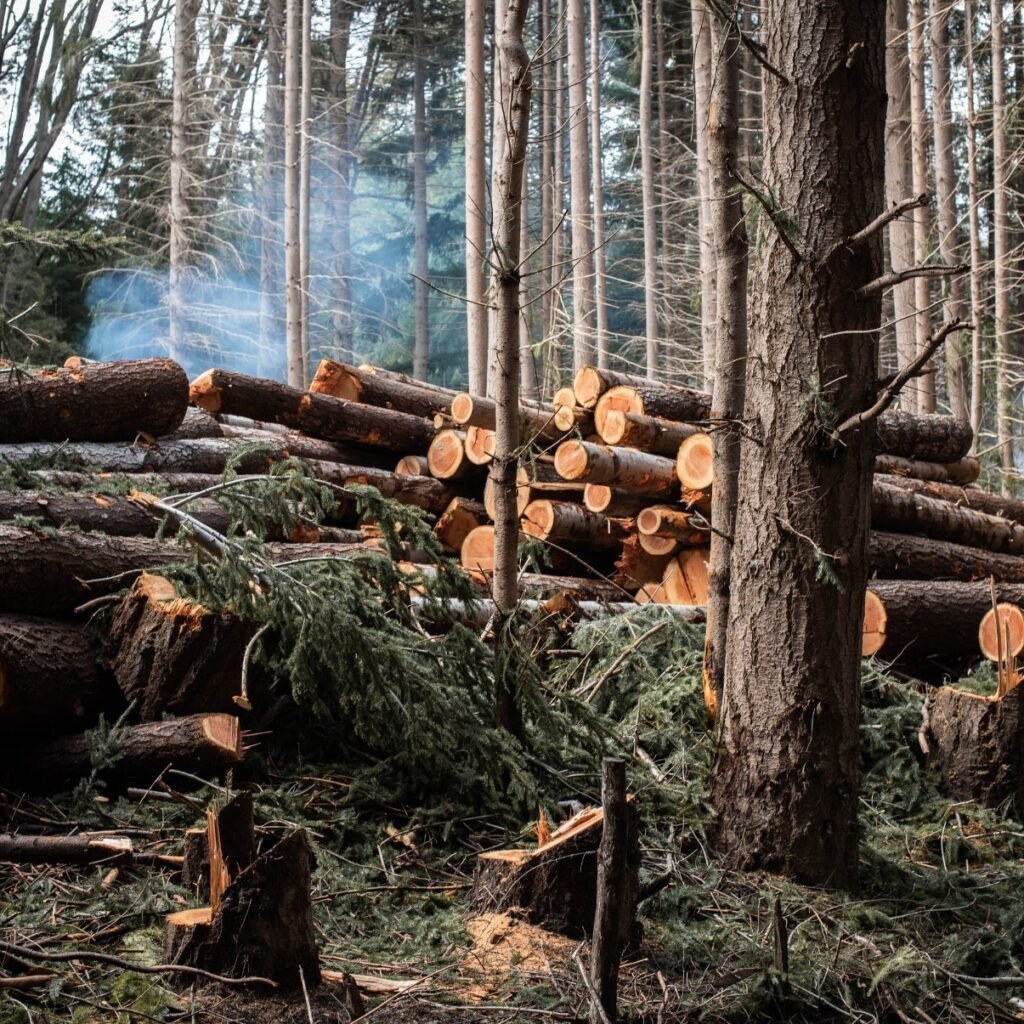
Deforestation directly impacts wildlife in urban areas. Deforestation causes immediate loss of food and shelter by the animals in the forest.
In other situations, it is necessary to remove it because of security reasons. Professional tree service evaluates and advises on humane ways of dealing with wildlife like relocation or habitat restoration by replacing the lost natural habitat with trees.
How Tree Species Selection Affects Urban Animals
Trees do not have equal ecological values. Native species would be more favorable to support wildlife, providing them with familiar food and nesting places.
The urban ecosystems are fortified with the planting of suitable species. Considering the choice of trees promotes the existence of birds, pollinators, and mammals even in very small urban areas.
Squirrels and Tree Health in NYC
In NYC, one of the most evident tree animals is the squirrel. They also rely on the trees that are healthy in providing food, shelter and movement between spaces.
Stress or loss of trees pushes the squirrels into unsecure places such as rooftops or power lines. Healthy trees adhere to these conflicts, and the trees lead a natural life.
Bird Populations and Proper Tree Maintenance
Trees provide nesting, roosting and feeding to birds. The healthy canopies also shield the predators and extreme weather.
Correct pruning enhances the structure of the trees, not destroying vital nesting hemispheres. There are a variety of birds that are sustained by well kept trees across the city.
The Role of Deadwood and Habitat Balance
Although dead or decayed branches have potential to be dangerous to the safety, they also provide insects and birds with a home. Full elimination of deadwood is a way of lessening biodiversity.
Professional tree care is a compromise between safety and the ecological requirements. Beneficial habitat is retained and dangerous conditions are eradicated by selective pruning.
Construction, Development, and Wildlife Stress
When used around trees, construction interferes with the wildlife by destroying roots, compacting soil and removing shelter. Animals are also put under additional strain by noise and vibration.
The negative effects are minimized through tree protection plans and close site management. The pre-construction and post-construction coordination of trees is useful in ensuring that wildlife is restored at a faster rate.
Why Professional Tree Care Matters for Wildlife
Professional tree services are aware of the impact of tree management decisions on the wildlife in the cities. Their skills enable pruning, removal, and maintenance to be conducted responsibly.
Professionals find nesting behavior, prescribe wildlife-compromising alternatives, and focus on preserving it wherever feasible. The strategy promotes safety as well as environmental responsibility.
Creating Wildlife-Friendly Properties in NYC
Wildlife can be assisted by property owners by ensuring that their trees are healthy, native species are planted, and work is done responsibly.
Such basic measures as eliminating needless displacement and investing in preventive care are part of a healthier urban ecosystem that will benefit both the people and the animals.
Conclusion: Protect Trees, Protect Urban Wildlife
It is about trees and their important role in sustaining the urban wildlife of NYC. Growing trees responsibly ensures the habitat, minimizes eviction, and enhances the natural balance of the city. Through knowledge of the impacts of maintenance decisions on birds, squirrels, and other creatures, the property owners may help make the environment healthier and more sustainable.
The Tree Army has professional services regarding tree trimming, tree removal, or a health check of the trees. Their professional crew offers responsible, wildlife-friendly tree care services that enhance your property, and help the NYC urban ecosystem to support the generations to come.